

Garage Door Cost in 2026
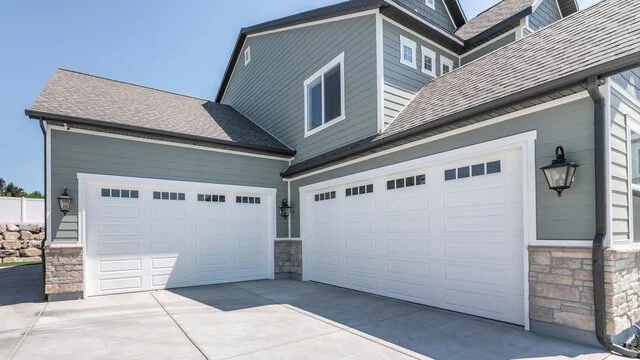
garage door
A garage door is more than just a large piece of metal that opens and closes — it is one of the most important functional and aesthetic elements of your home. In 2026, homeowners are increasingly making decisions about garage doors based on durability, energy efficiency, style, and technology integration. Whether you’re planning a new garage door installation, considering an upgrade to your garage door opener, or facing an unexpected repair, understanding the costs involved is essential for effective budgeting.
This guide breaks down realistic cost expectations for 2026, covering new doors, openers, and repairs in detail. It will also explain what factors influence pricing and how to get the best value for your investment.
1. New Garage Doors — What They Cost in 2026
Replacing or installing a brand‑new garage door is one of the most impactful upgrades you can make to a home’s exterior — often delivering strong returns on curb appeal and resale value.
Average Cost Range
In 2026, typical garage door costs (fully installed) fall between $1,200 and $4,500 or more, depending on the style, size, and materials you choose.
• Basic steel doors: $1,200 to $1,800
• Insulated or mid‑grade doors: $1,800 to $3,000
• Premium doors (wood, designer, custom): $3,000 to $4,500+
Steel remains the most affordable material thanks to its strength and ease of manufacturing. Wood and custom styles — such as carriage‑house designs or artisan composites — sit at the higher end due to material cost and labor intensity.
What Influences the Cost?
Several factors determine exactly how much you’ll pay:
• Door Material
Steel: Least expensive and low maintenance
Aluminum: Lightweight and rust‑resistant, slightly pricier than steel
Wood: Premium look but requires ongoing maintenance
Fiberglass & composite: Good for coastal climates, moderate price
Each material affects not just price, but appearance and durability. For example, wood adds charm but may warp in humid climates, while steel is durable but can dent easily.
• Insulation Value
Insulated doors carry a higher cost but improve energy efficiency, reduce noise, and create a more comfortable garage environment — especially important if your garage is attached to your home.
R‑values (a measure of insulation performance) range from 0 (none) to 18+ for high‑performance models. Higher R‑value doors can increase upfront costs but deliver savings on heating and cooling over time.
• Size and Configuration
Standard single doors (about 8’ or 9’ wide) cost less than larger double doors (16’ wide). Custom shapes, windows, or design accents will increase material and installation time.
• Professional Installation
Installers typically charge labor plus parts. Most homeowners pay $300 to $800 for professional installation. DIY installation can reduce the cost, but garage doors are heavy and require precise balance and safety calibration — making professional installation strongly recommended.
2. Garage Door Openers — New Motor Costs in 2026
A garage door opener is the motor that powers the door up and down. Modern openers go far beyond simple remotes — developers now include smart features, safety sensors, and battery backups.
Average Cost
Basic opener unit only: $150 to $300
With professional installation: $300 to $900+
Prices depend on the type of drive, horsepower, and smart functionality.
Types of Openers
Chain‑Drive Openers
Least expensive
Strong and reliable
Louder operation
Chain drives are suitable for detached garages or garages where noise isn’t a concern.
Belt‑Drive Openers
Quieter than chain
Slightly higher price
Smooth performance
Ideal for attached garages or homes where noise reduction matters.
Screw‑Drive Openers
Moderate noise and cost
Fewer moving parts
Performs well in wide temperature swings
Smart Openers
In 2026, many newer models include:
Wi‑Fi connectivity
Smartphone control apps
Battery backup
Integrated cameras or alert systems
Smart openers cost more (typically $600–$900 installed), but offer convenience and enhanced security.
Installation Costs & Upgrades
Installation prices can increase if:
Old wiring needs replacement
You require additional safety features
You want multiple remote transmitters
You add smartphone connectivity or camera integration
Professionals also calibrate safety sensors, adjust travel limits, and ensure the opener syncs properly with your door.
3. Garage Door Repair — Fixing Problems in 2026
No matter how robust your system is, garage doors eventually need repair. The good news is that typical repairs are often significantly cheaper than full replacements.
Common Garage Door Repairs
• Spring Replacement
Garage door springs control balance and counterweight. If a spring breaks, the door may not lift or could slam down unsafely.
Typical cost: $150 to $350
• Sensor Adjustment / Photo Eyes Fix
If sensors are misaligned, the door may reverse unexpectedly or refuse to close.
Typical cost: $100 to $200
• Cable or Track Repair
Cables or tracks can bend, slip, or fray over time.
Typical cost: $100 to $300, depending on parts
• Panel Replacement
If a door panel dings or warps, individual replacement is possible.
Typical cost: $300 to $900 per panel
Factors That Affect Repair Costs
• Parts availability – Older doors may need hard‑to‑find components
• Emergency calls – After‑hours service can cost more
• Labor rates – Depend on region and service company
• Extent of damage – Minor fixes are inexpensive; structural issues cost more
4. How to Budget for Garage Door Projects in 2026
Planning ahead can save money and reduce stress. Here are practical tips:
• Get Multiple Quotes
Quotes can vary significantly. Request at least three estimates for installation or major repairs.
• Consider Bundling
If you’re installing a new door and a new opener, ask for a bundled price. Many contractors offer discounts when multiple services are bought together.
• Install Energy‑Efficient Doors
Insulated doors cost more initially but often reduce energy bills — especially if your garage affects home heating.
• Prioritize Safety
Don't put off repairs involving springs, cables, or openers. Faulty parts can be dangerous.
• Maintain Regularly
Annual inspections can catch wear early and avoid costly emergency repairs.
5. Final Thoughts
In 2026, garage door costs reflect both traditional needs and emerging trends. Homeowners can choose durable steel systems for affordable reliability, premium doors for enhanced appearance and performance, or smart systems for connected convenience.
• New garage doors cost $1,200 to $4,500+ installed
• Garage door openers cost $300 to $900+ installed
• Repairs typically range from $100 to $900+, depending on the issue
Getting the right product at the right price means understanding what impacts cost — materials, insulation, technology, and professional labor. With informed planning and quality installation, your garage door system can serve you safely and stylishly for many years.